

This project creates a short interview guide, consent checkpoints and a quote-verification table for one community story. AI can organise supplied material. It cannot grant consent, decide what is safe to publish or turn a transcript into verified history.
Fireflies.ai currently presents transcription, summaries and search for conversations, including audio and video file transcription. Use it only after recording consent is explicit, then verify every selected quote against the audio and the speaker. Review current plan and retention settings before uploading real material. Fireflies.ai · Plans
Contents — jump to a section
Prepare the interview boundaries
Choose one narrow topic and write who will record, who may listen, where files will be stored, how long they will be kept, and whether any quote may be published. Allow 60–90 minutes for the kit, excluding the interview and speaker review. Use a fictional practice story first.
Copy this starter prompt
Use only the topic and boundaries below.
Draft six open interview questions and a quote-verification table.
Include checkpoints for recording consent, pause/withdrawal, name preference,
quote approval, publication channel and retention decision.
Do not invent memories, dates, names, consent or historical facts.
Mark transcript uncertainty as CHECK AUDIO and factual uncertainty as NEEDS SOURCE.
[PASTE TOPIC AND AGREED BOUNDARIES]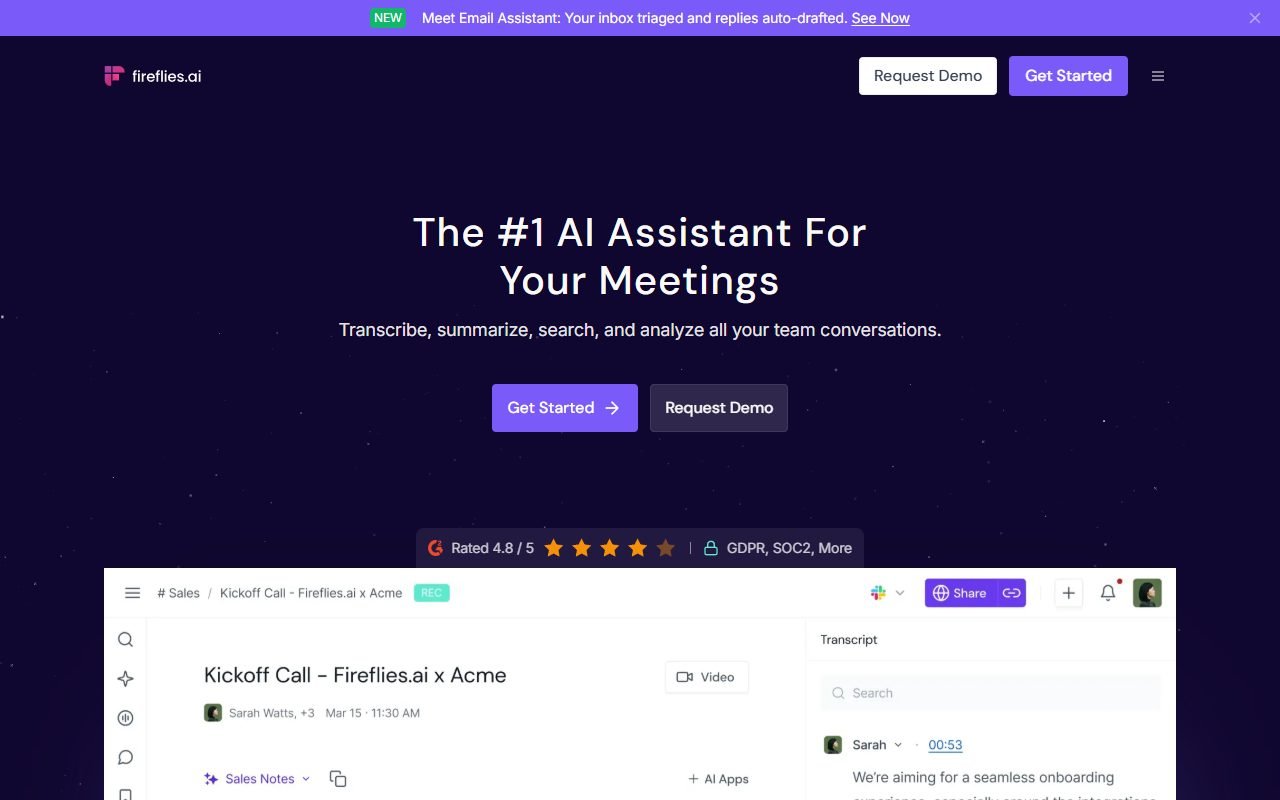 Visit Fireflies.ai ↗
Build and test the kit
- Explain recording, storage and intended use before asking for consent.
- Keep consent choices separate: recording, naming, quoting and publication.
- Ask one question at a time and allow the speaker to pause or skip.
- Compare candidate quotes with the audio and record a timestamp.
- Send the selected wording and context to the speaker for confirmation.
- Publish nothing until the chosen approval and retention steps are complete.
Worked fictional sample
Speaker code P01 says at 08:14, “We moved the market tables after the big flood.” A transcript may mishear “market” as “garden.” The table records CHECK AUDIO, the timestamp and the speaker's corrected wording. It cannot add a flood year or publish P01's name unless those facts and permissions are separately confirmed.
The kit passes when every quote has an audio timestamp, speaker review state and publication permission; uncertain facts stay labelled; and withdrawal or deletion requests have a named manual route.
Recover when consent or evidence is unclear
If recording consent is absent, take no recording and use handwritten notes only with permission. If audio is unclear, paraphrase only after speaker approval or omit the passage. If Fireflies.ai is unavailable, use a local player and manual timestamp table. Follow applicable local law and the organisation's real safeguarding process.
Product and pricing pages were inspected on 10 October 2026. This is a fictional planning exercise; no person was interviewed, recorded, transcribed or asked to approve publication.