

A transfer is useful only when the next agent can act without asking the customer to repeat everything. This workflow turns an approved conversation record into a short case brief. AI may organise supplied text, but it cannot verify identity, infer urgency, promise a remedy or mark a case resolved.
Tidio currently presents Live Chat, Ticketing, Departments and AI-to-human redirection among its tools. Its pricing page counts live conversations and tickets within billable-conversation limits and separates AI and Flow usage, so confirm the current plan before adopting the workflow. Tidio · Features · Pricing
Contents — jump to a section
Prepare the source record
Use the conversation ID, channel, customer-stated issue, verified account facts, actions already taken, missing information, policy route, urgency reason, owner and next-update time. Remove payment credentials, passwords and unnecessary personal data. Keep a customer's statement labelled as reported until a person verifies it.
Copy this handoff prompt
Create a handoff brief using only the supplied record.
Return CASE, REPORTED ISSUE, VERIFIED FACTS, ACTIONS TAKEN, MISSING,
POLICY ROUTE, URGENCY REASON, OWNER and NEXT UPDATE.
Do not infer identity, blame, eligibility, urgency, refund or resolution.
Mark conflicts as NEEDS REVIEW and preserve exact dates and amounts.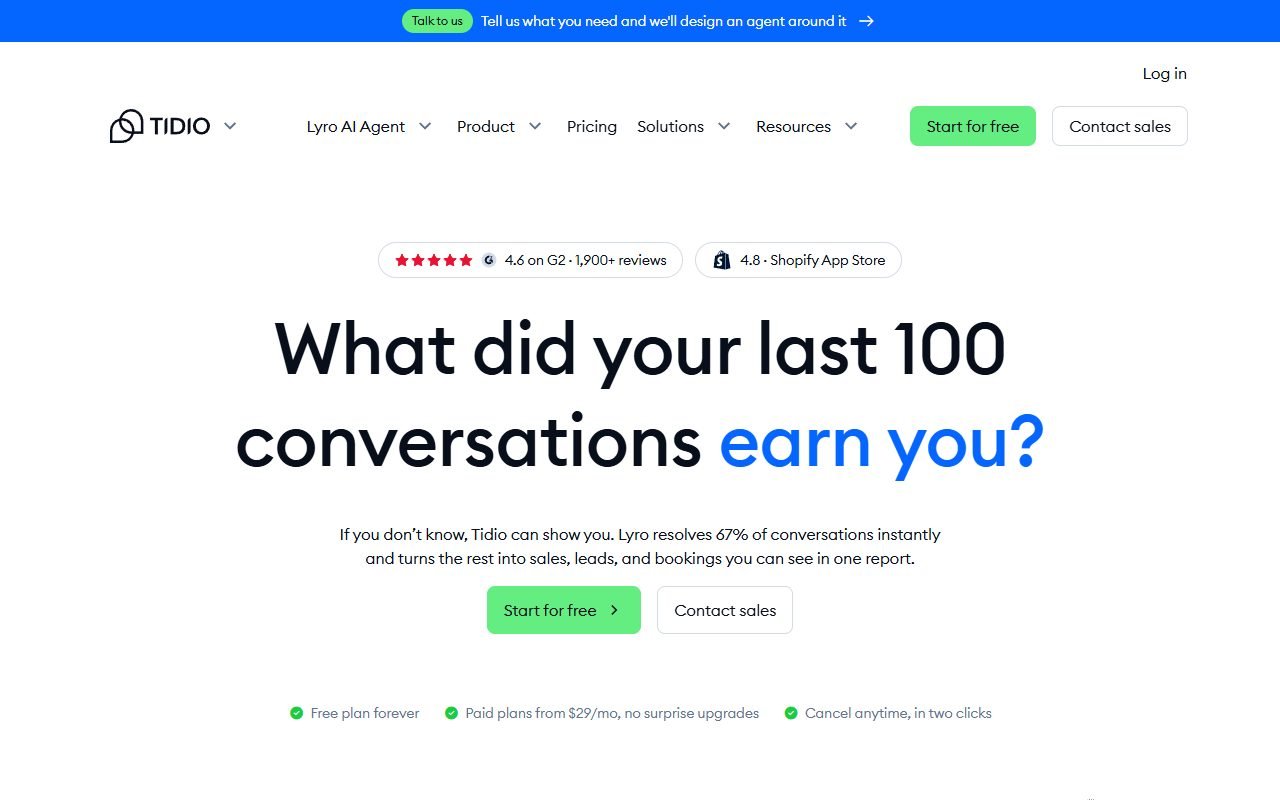 Visit Tidio ↗
Build and test the handoff
- Freeze the source transcript and assign one case ID.
- Separate the customer's account from facts verified in approved systems.
- List completed actions with actor and timestamp; do not turn an attempt into success.
- State why the case is urgent using the real policy, or write “not established.”
- Assign one human owner and a specific next-update time.
- Have the receiving agent compare the brief with the source before contacting the customer.
Worked fictional case
Case TC-014 reports two charges of THB 790. The approved billing record confirms one captured charge and one pending authorization; no refund has been issued. The brief records both states, routes the case to Billing Review, names Mina as owner and sets the next update for 15:00. It does not call the pending authorization a duplicate charge or promise a refund.
The test passes when a second agent can identify the reported issue, verified facts, gaps, owner and next action without inventing a commitment. Compare at least one conflicting record and one missing-identity case.
Recovery and manual fallback
If automation or assignment fails, paste the same field set into an internal note and notify the receiving team through its approved channel. Keep the case open until the named agent accepts it. Escalate identity, safety, legal and payment decisions to the authorised role.
Product, feature and pricing pages were inspected on 21 October 2026. No Tidio account, conversation, ticket, customer, billing record, transfer or resolution was tested.